
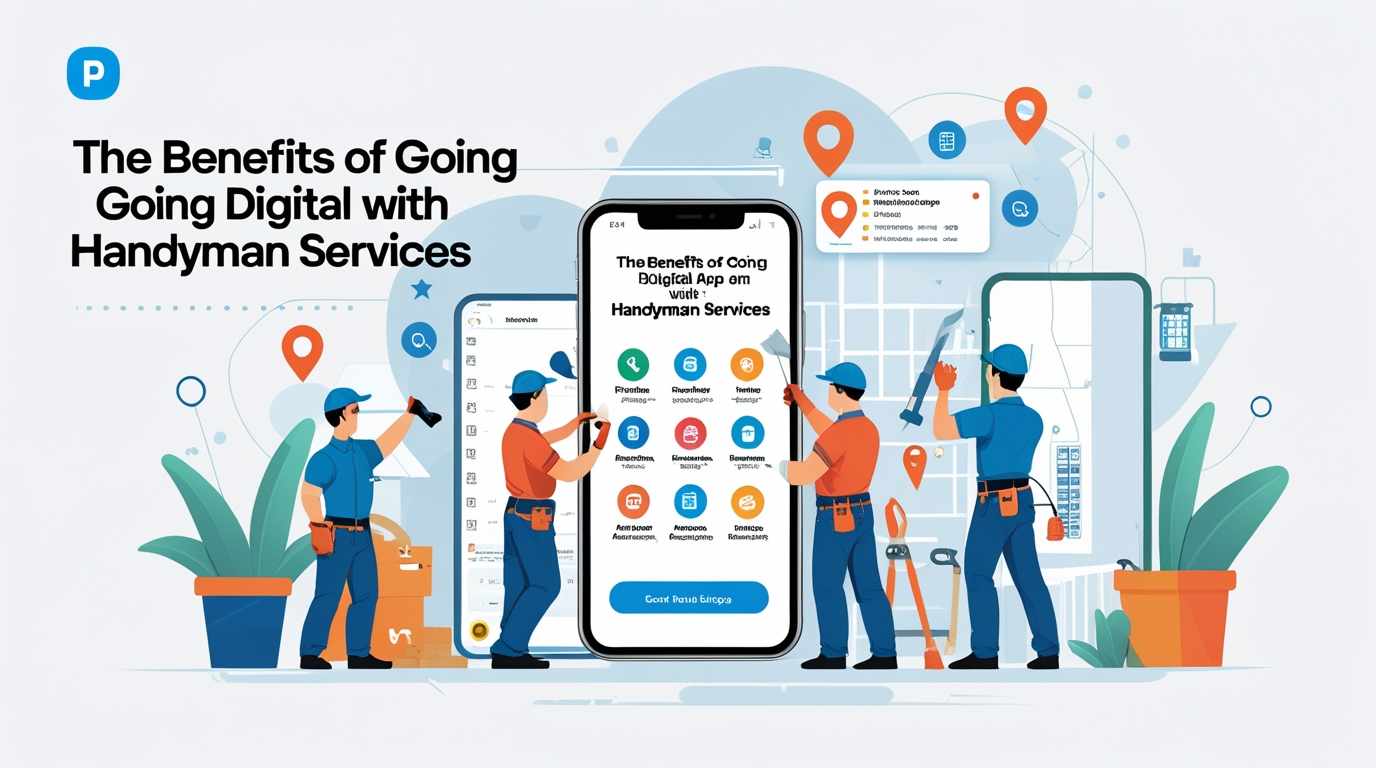
In today’s fast-paced digital economy, on-demand service apps have revolutionized the way people access everyday services. From ride-hailing and food delivery to healthcare and home maintenance, mobile applications are simplifying lives. Among these, handyman apps like Uber for home services are rapidly gaining popularity. These platforms allow users to book electricians, plumbers, carpenters, cleaners, and other professionals with just a few taps.
If you’re an entrepreneur or business owner planning to develop a handyman app like Uber, this ultimate guide will walk you through everything you need to know—from market insights and core features to development process, technology stack, monetization strategies, and future trends.
Understanding the Handyman App Market
The global on-demand home services market is experiencing massive growth due to increasing urbanization, busy lifestyles, and rising smartphone adoption. Users now prefer booking verified professionals online rather than relying on traditional word-of-mouth recommendations.
A handyman app like Uber acts as a bridge between customers and service providers, offering convenience, transparency, and reliability. Businesses that invest in such platforms gain access to recurring revenue streams, scalable operations, and a wide customer base.
Key drivers of market growth include:
Increasing demand for home maintenance and repair services
Growing trust in app-based service platforms
Real-time tracking and transparent pricing
Cashless and secure payment systems
What Is a Handyman App Like Uber?
A handyman app like Uber is an on-demand service marketplace that connects users with nearby service professionals. Similar to Uber’s ride-hailing model, these apps offer real-time booking, professional matching, service tracking, in-app communication, and digital payments.
The platform typically consists of:
Customer App – for service booking and management
Service Provider App – for accepting jobs and managing schedules
Admin Panel – for overseeing operations, users, payments, and analytics
Key Benefits of Developing a Handyman App
For Customers
Easy access to verified professionals
Time-saving and hassle-free booking
Transparent pricing and service reviews
Secure payment options
For Service Providers
Increased job opportunities
Flexible working hours
Digital payment assurance
Performance-based incentives
For Business Owners
Scalable business model
Multiple revenue streams
Data-driven decision-making
Brand recognition and customer loyalty
Core Features of a Handyman App Like Uber
1. User Registration & Profile Management
Users and service providers should be able to sign up using email, phone numbers, or social logins. Profiles should include personal details, service history, ratings, and preferences.
2. Service Categories
The app should list multiple handyman services such as plumbing, electrical work, carpentry, appliance repair, painting, and cleaning.
3. Real-Time Service Booking
Users can select a service, choose a time slot, and get matched with nearby professionals using GPS-based location tracking.
4. Advanced Search & Filters
Allow users to filter service providers based on ratings, experience, pricing, availability, and distance.
5. In-App Chat & Call
Enable seamless communication between users and service providers for better coordination and clarity.
6. Real-Time Tracking
Users should be able to track the handyman’s arrival status, similar to Uber’s ride tracking feature.
7. Secure Payment Gateway
Support multiple payment options such as credit/debit cards, UPI, wallets, and cashless payments.
8. Ratings & Reviews
A transparent feedback system builds trust and improves service quality.
9. Push Notifications
Real-time notifications for booking confirmation, job status updates, offers, and reminders.
10. Admin Dashboard
The admin panel should allow business owners to manage users, service providers, pricing, commissions, promotions, and analytics.
Advanced Features to Stay Competitive
AI-based professional matching
Dynamic pricing based on demand
Subscription plans for users
Service warranty and insurance options
Multi-language and multi-currency support
Loyalty programs and referral rewards
Step-by-Step Process to Develop a Handyman App
Step 1: Market Research & Business Planning
Analyze competitors, identify gaps, define your target audience, and finalize your value proposition. Decide whether your app will focus on a single city or multiple regions.
Step 2: Choose the Right Business Model
Common business models include:
Commission-based model
Subscription model
Featured listing fees
In-app advertisements
Step 3: Define Features & App Workflow
Create detailed wireframes and user journeys for customer app, service provider app, and admin panel.
Step 4: Select the Technology Stack
Choose a robust and scalable tech stack for seamless performance and future expansion.
Step 5: UI/UX Design
Design an intuitive, visually appealing interface that ensures smooth navigation and a positive user experience.
Step 6: App Development
Develop the frontend, backend, APIs, and databases. Ensure the app supports scalability and security.
Step 7: Testing & Quality Assurance
Conduct rigorous testing to identify and fix bugs, performance issues, and security vulnerabilities.
Step 8: Deployment & Launch
Launch the app on Android and iOS platforms, followed by marketing and user onboarding strategies.
Recommended Technology Stack
Frontend
React Native / Flutter (cross-platform)
Swift (iOS) / Kotlin (Android)
Backend
Node.js / Laravel / Django
REST or GraphQL APIs
Database
MongoDB / PostgreSQL / MySQL
Cloud & Hosting
AWS / Google Cloud / Microsoft Azure
Other Integrations
Google Maps API
Stripe, Razorpay, PayPal
Firebase for notifications
Monetization Strategies for a Handyman App
A well-planned monetization strategy ensures long-term profitability:
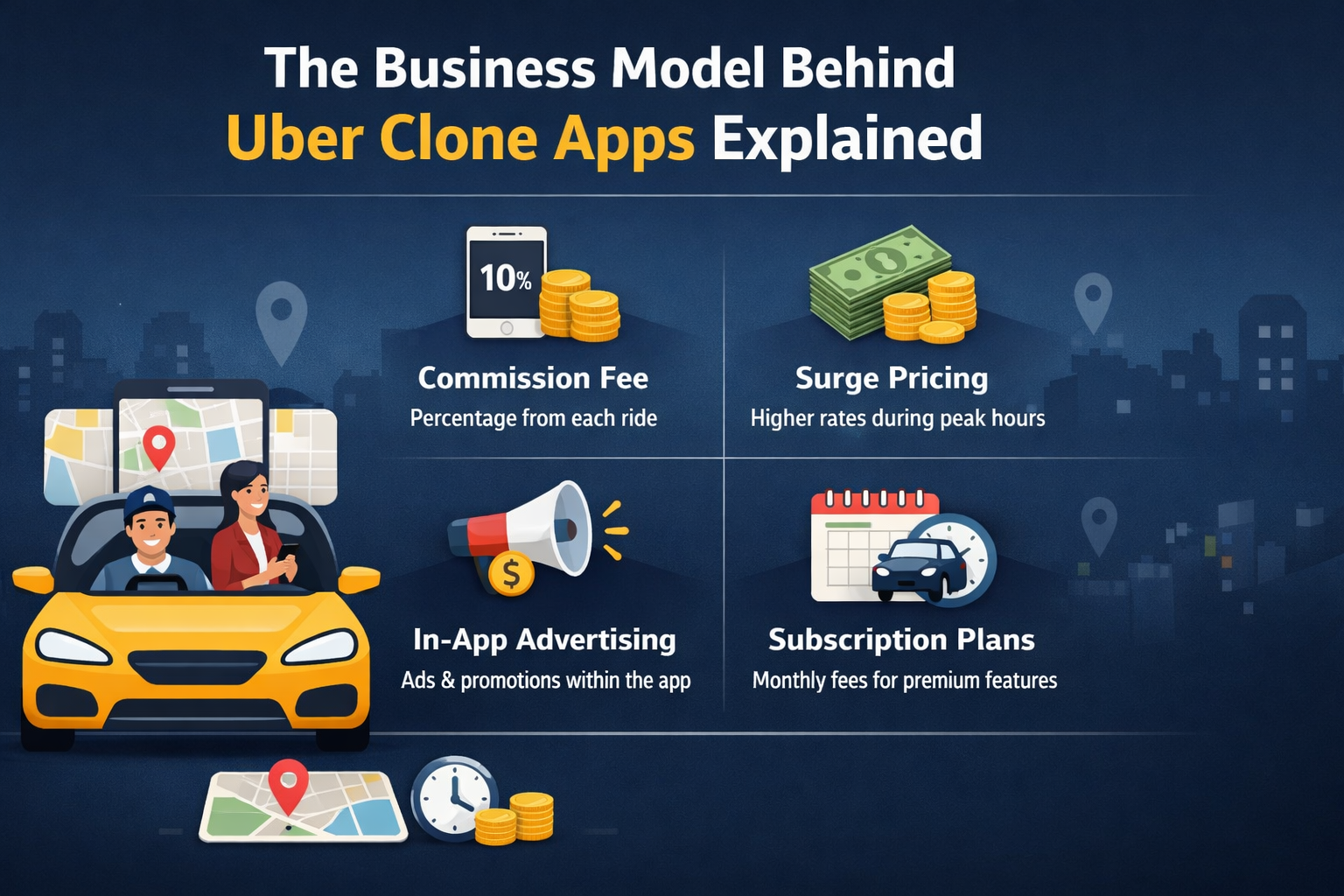
Commission per Job – Earn a percentage from every completed service
Subscription Plans – Monthly or yearly plans for service providers
Surge Pricing – Higher charges during peak demand
Featured Listings – Promote top service providers
In-App Ads – Additional revenue from third-party advertisements
Legal, Compliance & Security Considerations
Background verification of service providers
Data protection and privacy compliance
Secure payment processing
Service agreements and dispute management
Insurance coverage for services
Challenges in Developing a Handyman App
Managing service quality and trust
Balancing supply and demand
Handling cancellations and disputes
Ensuring real-time performance
Scaling operations across locations
Overcoming these challenges requires strong backend architecture, smart algorithms, and continuous user feedback.
Future Trends in Handyman Apps
The future of handyman apps looks promising with advancements such as:
AI-powered service recommendations
IoT-enabled smart home integrations
Voice-based service booking
Predictive maintenance solutions
Hyperlocal and niche service platforms
Businesses that embrace these trends early will gain a competitive edge.
Conclusion
Developing a handyman app like Uber is a powerful business opportunity in the rapidly growing on-demand services market. By combining user-centric features, a scalable technology stack, and a smart monetization strategy, you can create a platform that benefits customers, service providers, and your business alike. Success lies in offering convenience, trust, transparency, and consistent service quality. With the right planning and execution, your handyman app can become a market leader in the digital home services space.
Frequently Asked Questions (FAQs)
1. How much does it cost to develop a handyman app like Uber?
The development cost typically ranges from $15,000 to $60,000+, depending on features, platforms, and customization level.
2. How long does it take to build a handyman app?
On average, it takes 3 to 6 months to design, develop, test, and launch a fully functional handyman app.
3. Can I launch a handyman app for a single city first?
Yes, many businesses start with a single city or region and scale gradually based on demand and performance.
4. What makes a handyman app successful?
Key success factors include user-friendly design, verified professionals, transparent pricing, reliable support, and strong marketing strategies.
5. Is it better to build a custom app or use a ready-made solution?
A custom app offers better scalability, branding, and long-term flexibility, while ready-made solutions help launch faster with lower initial costs.








Write a comment ...